Economical Replacement Auto Parts: Enhance Your Car's Power
Budget-friendly replacement auto parts offer a viable option for those looking to enhance their vehicle's capabilities. With options extending from high-performance air filters to upgraded exhaust systems, these parts can yield significant gains in maneuverability and fuel economy. Assessing these parts requires careful consideration of quality and compatibility. As enthusiasts investigate these upgrades, they often find both challenges and achievements. The process of upgrading a vehicle can lead to unexpected outcomes that deserve additional exploration.
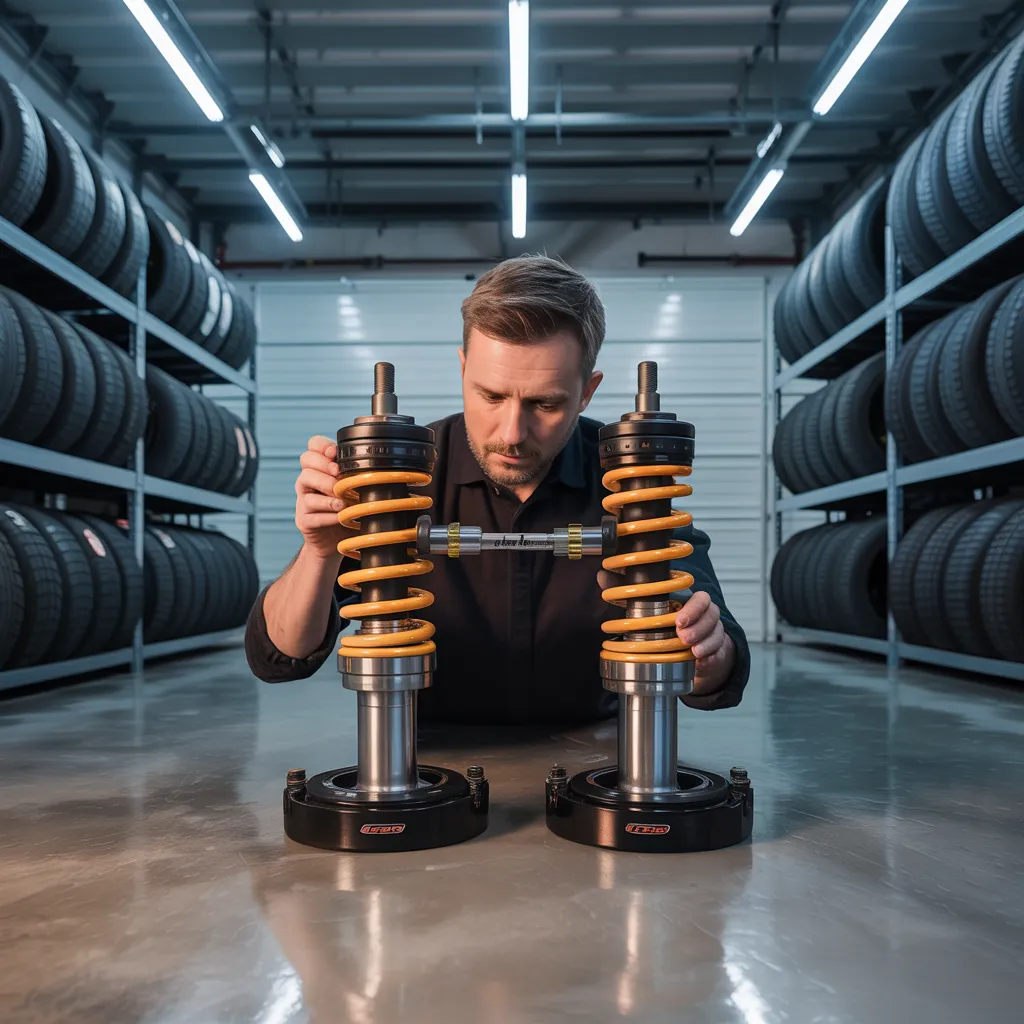
Aftermarket automobile parts: What exactly represent they?
Aftermarket auto parts refer to components produced by firms other than the original equipment manufacturer (OEM). These parts act as substitutes to OEM components, often created to fulfill specific market demands or performance criteria. Available for a wide range of vehicles, aftermarket parts can include anything from brake pads and exhaust systems to entire engine assemblies.
The secondary market sector encompasses a varied collection of producers, ranging from small businesses to major companies, each providing distinctive items. These components may vary in standards, cost, and performance versus their OEM counterparts. While some aftermarket parts are intended to improve vehicle performance or modification, others aim to offer budget-friendly solutions for repairs. Consumers often select aftermarket parts for their accessibility, variety, and potential savings, rendering them an vital element of the car industry.
Perks of Switching to Inexpensive Selections
Converting to affordable aftermarket auto parts can substantially improve a vehicle's performance and longevity, notably with respect to budget constraints. These materials often provide a reasonable alternative to OEM items while presenting comparable excellence and effectiveness. The use of aftermarket options can contribute to enhanced control, improved gas economy, and increased horsepower, making them an compelling option for budget-conscious drivers seeking performance upgrades.
Additionally, many affordable aftermarket parts are designed with modern technologies, ensuring compatibility with newer vehicle models. This allows for greater customization, permitting owners to tailor their vehicles to distinct driving requirements or choices. Moreover, tapping into a broader range of products can spark development, as manufacturers consistently offer improved materials and styles. Ultimately, choosing affordable aftermarket options not only aids vehicle improvement but also promotes a more enjoyable driving experience without straining financial resources.
Common Classifications of Cost-Effective Secondary Market Parts
Broad assortments of low-cost replacement automotive components support various automotive needs and preferences. One favored segment includes performance parts, which improve engine efficiency and responsiveness. These pieces, such as air filters and exhaust systems, can substantially increase a car's driving force. Another significant segment involves suspension parts, which support ride quality and handling. Reinforced shock absorbers and springs can provide improved stability and comfort.
Furthermore, aesthetic modifications, like custom wheels and body kits, allow vehicle owners to customize their vehicles while often improving functionality. Light enhancements, including LED lighting systems, also belong to this group, improving visibility and protection. Finally, interior accessories, such as protective covers and mats, offer comfort and aesthetic appeal. By examining these options, car enthusiasts can discover budget-friendly choices that satisfy their performance and visual preferences, elevating their driving experience.
Criteria for Assessing Aftermarket Parts Quality
When reviewing the grade of aftermarket auto parts, several key criteria come into play. First, material quality is required; superior materials typically result in better endurance and performance. Compatibility with the specific vehicle model is another important factor; parts should fit correctly without requiring rework.
Also, brand prestige constitutes a notable influence; established manufacturers often provide quality assurance through customer reviews and industry certifications. Performance testing rigorously is also critical; quality aftermarket parts should have undergone rigorous testing to guarantee they meet safety and performance standards.
Finally, warranty offerings can indicate product quality; a comprehensive warranty reflects the manufacturer's confidence in their item. Assessing these factors assists buyers make informed decisions, ensuring they choose replacement components that improve their car's functionality while maintaining safety or longevity.
DIY vs. Professional Installation Advice?
When considering the placement of cost-effective aftermarket auto parts, people must first assess their skill level to establish if a DIY method is practical. Furthermore, the equipment required for installation can greatly affect the choice between handling the job personally or enlisting expert assistance. Grasping these considerations ensures a easier procedure and best results.
Gauging Your Capability Tier
How can one determine whether to tackle an auto part installation as a DIY project or to obtain professional assistance? First, evaluating one's own technical abilities is crucial. Individuals with a experience in automotive work may feel confident undertaking simple tasks, such as replacing air filters or brake pads. Conversely, those lacking experience might find intricate setups intimidating and dangerous. Analyzing the complexity of the part is also important; intricate systems often require expert expertise and tools better suited for professionals. Additionally, considering scheduling limitations is noteworthy; DIY projects can be time-consuming, while professionals can complete installations quickly. Ultimately, comparing personal skill level against the task's demands will guide the decision between DIY and professional installation.
Tools Required To Complete Installation
Identifying the vital tools required for auto part installation is important for both DIY enthusiasts and specialists. A basic toolkit should feature wrenches, sockets, bits, pliers, and a jack. In addition, dedicated tools may be necessary depending on the particular part being installed, such as torque wrenches for precise fittings or O2 sensor sockets for exhaust work. For DIYers, having a service manual can deliver instruction on the tools required for each particular job. Professionals frequently maintain a more extensive selection of tools, permitting for faster and more efficient installations. In the end, whether choosing a DIY project or hiring a professional, ensuring the right tools are accessible can significantly affect the assembly process and overall condition of the vehicle.
Budgeting for Alterations
When planning for modifications, it is essential to set clear priorities to guarantee funds are distributed effectively. Researching cost-effective options can further help fans maximize their investment while attaining wanted improvements. This approach not only protects finances but also improves the overall modification experience.
Establishing Specific Priorities
Establishing well-defined objectives is vital for traversing the automotive modification world. Individuals must identify their primary goals, boosting power, upgrading appearance, or strengthening reliability. Each objective demands a distinct allocation of funds and resources. A thorough evaluation of the car's existing state and intended use can help determine which upgrades will provide the greatest advantages. For example, a performance-focused driver may prioritize engine upgrades, while another seeking aesthetic improvement might focus on body modifications. By ordering these objectives, enthusiasts can develop a structured budget that represents their requirements and desires. This approach helps avoid rash purchases on unnecessary parts and ensures that expenditures align with the complete picture for the vehicle.
Investigating Economical Choices
Many enthusiasts know that proper budgeting is important when seeking out cost-effective options for car improvements. A well-defined budget not only helps focus on modifications but also guides the selection of aftermarket parts that elevate performance without breaking the bank. Enthusiasts are encouraged to compare prices across several retailers, both online and in-store, to identify the best deals. Additionally, exploring user experiences and forums can provide insights into the trustworthiness and performance of specific parts, ensuring thoughtful choices. By considering used or refurbished components, one can further stretch their budget while still achieving desired upgrades. Ultimately, a calculated approach to budgeting allows car enthusiasts to achieve their performance goals while maintaining financial stability.
Successful Accounts Featuring Aftermarket Auto Parts
Aftermarket auto parts have transformed countless vehicles, offering both cost-effectiveness and performance enhancements. Many car enthusiasts have documented significant improvements in their vehicles after installing these parts. For instance, a local mechanic shared a story about a customer who enhanced their sedan with aftermarket suspension and exhaust systems. This upgrade not only boosted horsepower but also enhanced handling, making the car feel more agile on the road.
A budget-conscious driver's achievement tale showcased the substitution of their factory air filter with a high-performance variant. The simple change delivered improved fuel efficiency and a noticeable increase in acceleration.
In addition, a well-known internet community displays many reviews from clients who have effectively tailored their cars using replacement rims and brake components. These upgrades not only boosted performance but also gave a individual touch to each car, showing that custom parts can successfully harmonize expense and excellence while elevating comprehensive ride experiences.
Popular Asked Questions
Are Third-party Items Covered under OEM Guarantees?
Aftermarket parts are usually not covered under manufacturer guarantees. However, if they harm the car, the warranty may be cancelled. Consumers should thoroughly examine their warranty terms before fitting aftermarket components.
What's the Best Way to Discover Dependable Aftermarket Parts Providers?
To find reliable aftermarket parts suppliers, one should research online reviews, obtain recommendations from automotive professionals, and verify certifications. Evaluating costs and warranties can also help guarantee excellence and dependability in bought components.
Can replacement Parts influence My Vehicle's resale value?
Aftermarket parts can affect a vehicle's resale value. High-quality parts may increase value, while inferior options could discourage buyers. Ultimately, the reputation of the parts and the vehicle's overall condition dictate resale potential.
Is it Feasible to Mix Aftermarket and OEM Parts?
Certainly, people can combine OEM and aftermarket parts. However, compatibility, performance, and warranty implications must be considered. Proper research is essential to ensure that the mixture meets safety start now and functionality standards for optimal vehicle performance.
Are There Legal Regulations for Aftermarket Upgrades?
Yes, legal requirements for aftermarket alterations are present. They differ by location and may encompass safety protocols, emissions compliance, and insurance implications. Automobile owners should examine area regulations to guarantee modifications remain within legal boundaries.